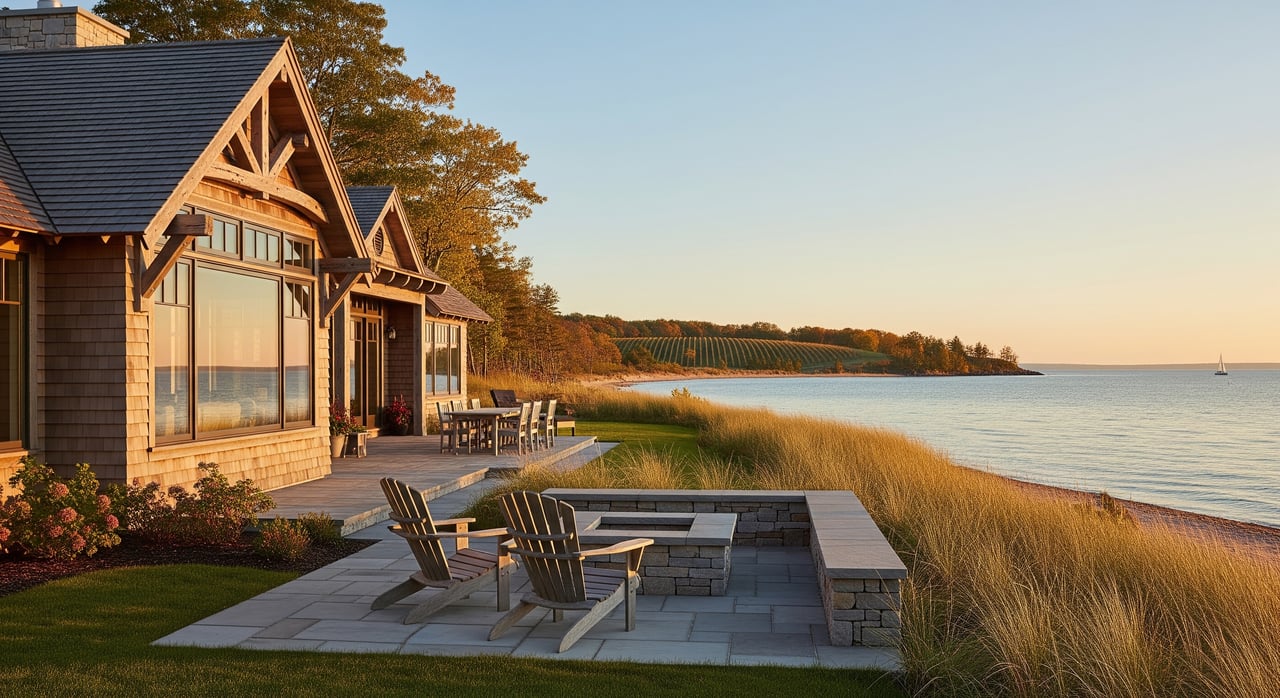
What if your weekend mornings started with a quiet bay breeze and ended with a sunset over dune‑lined beaches? If you are weighing a move or second home in Leelanau County, you are likely picturing a slower rhythm with easy access to water, wineries, and small‑town charm. You also want the practical details: winter realities, utilities, local rules, and how far it is to services. This guide gives you a clear view of daily life and ownership logistics so you can decide if Leelanau fits your lifestyle. Let’s dive in.
Leelanau at a glance
Leelanau County sits on a peninsula with water on two sides. The west side meets Lake Michigan with wide beaches and dunes. The east side faces Grand Traverse Bay, which offers calmer waters and marinas. Most towns are close to the shoreline or a short drive from it, so water shapes daily life.
Traverse City is the regional hub for airports, large grocery options, and hospitals. Depending on where you live in Leelanau, you can expect a 20 to 60 minute drive to Traverse City and Cherry Capital Airport. That proximity is a key benefit for full‑time residents and second‑home owners who travel.
Local government happens at the township and village level. Zoning, short‑term rental licensing, and shoreline rules can vary from one township to the next. That makes location choice and due diligence essential when you buy.
What daily life feels like by season
Summer
Summer is lively. Scenic routes like M‑22 get busy, and you see more visitors in tasting rooms, marinas, and village shops. If you plan to rent your home as a vacation rental, summer is typically your peak season for bookings. For day‑to‑day living, plan ahead for restaurant wait times and traffic near popular beaches.
Shoulder seasons
Late spring and early fall bring a more relaxed pace. Mornings can be cool, and the lake moderates the weather. Many wineries and restaurants stay open into fall, especially during harvest. You get the benefit of quieter trails and scenic drives with fall color.
Winter
Winter is quiet and beautiful, with snow, ice, and shorter days. Roads are plowed, but you will want a plan for snow removal and heating. Some seasonal businesses reduce hours or close until spring. If you love cross‑country skiing, snowmobiling, or peaceful shoreline hikes, winter can be a highlight. Just expect to plan errands and appointments with road conditions in mind.
Practical routines
- Heating: Many homes use propane, oil, or electric heat. Fuel delivery and scheduling matter, especially for remote locations.
- Maintenance: Prepare for winterization, ice dam prevention, and protecting plumbing. For rural homes, wells and septic systems need periodic checks.
- Commuting: Year‑round commuting to Traverse City is common. Winter storms can add time, so locals often bundle errands and appointments.
Where you might live
Village cores and historic towns
Suttons Bay, Leland with its Fishtown district, Northport, and the Glen Arbor and Empire area offer walkable downtowns with restaurants, galleries, marinas, and small grocery options. These towns attract both year‑round residents and seasonal visitors. If you want a village lifestyle that lets you walk to coffee and the harbor, these spots fit well.
Beach and dune communities
On the west shore, you are close to Sleeping Bear Dunes National Lakeshore. You get big‑sky lake views and wide beaches. Summer sees more visitors near park attractions, which adds energy and activity. These areas appeal if your priority is beach access and outdoor recreation.
Bayfront and boating
On the east side along Grand Traverse Bay, waters are calmer and marinas are common. These locations suit owners who want protected harbors, small‑boat sailing, and an easier drive to Traverse City.
Rural acres, orchards, and vineyards
The interior peninsula offers rolling terrain, cherry orchards, and vineyards. You will find quieter roads and more privacy on acreage. Some parcels support small‑scale agriculture or have conservation easements. If you want space and country living with quick trips to villages, this setting is a strong fit.
Waterfront vs inland
Waterfront homes command a premium and often require more maintenance. Shoreline erosion, dune protections, dock upkeep, and higher insurance are common factors. Inland or orchard properties usually offer more land for the price and lower carrying costs.
Recreation and culture
Leelanau is an outdoor playground. In summer you can boat, swim, paddleboard, fish, and hike. In fall you can explore color tours and winery harvest events. Winter brings cross‑country skiing, snowmobiling, and ice fishing. The Leelanau Peninsula wine scene, cherry orchards, farmers markets, and farm‑to‑table dining give the county a rich local food culture. Parks, trails, and conserved lands help protect viewsheds and access to nature.
Services, healthcare, and access
- Groceries and retail: Village shops and markets cover daily needs. For bigger runs, Traverse City offers larger stores and more selection.
- Healthcare: Regional emergency and specialty care is centered in Traverse City. Plan regular medical visits with drive times in mind.
- Airport: Cherry Capital Airport in Traverse City is the main commercial airport for Leelanau County.
Short‑term rentals and local rules
Short‑term rentals are common in parts of the county, but rules vary by township and village. Some places require registration, inspections, or limits on density. If rental income is part of your plan, check the exact ordinance and licensing steps for the property’s township. Also consider neighborhood norms and seasonality when you model income.
Ownership costs and logistics to expect
Every property is different, but owners commonly plan for these items:
- Heating fuel and electricity: Confirm your system type and plan deliveries if you use propane or oil. Budget for winter usage.
- Insurance: Waterfront or lakeshore homes can have higher premiums. Ask about flood risk and insurability early.
- Snow removal: Set up plowing and sanding for long driveways. Private roads may have shared agreements.
- Wells and septic: Request well yield reports and septic inspection or history. These systems need routine care.
- Internet and cell: Coverage varies. Village cores tend to have better wired options. Remote parcels may rely on fixed wireless or satellite.
- Road access: Confirm if your road is county maintained or private. Private roads often require owner or association maintenance.
- Conservation and deed restrictions: Review title for easements, view protections, or use limits, especially on acreage or near conserved lands.
Due diligence checklist before you buy
Use this as a conversation starter with your agent, township, and service providers.
- Zoning and permitted uses for your property type
- Short‑term rental rules and any required licensing or inspections
- Property tax classification and recent assessments
- Floodplain maps and shoreline regulations for lake or bay frontage
- Homeowners and flood insurance availability and estimated premiums
- Well and septic age, inspections, and maintenance history
- Internet and cell options at the exact address
- Heating fuel type and delivery arrangements
- Road status, winter access, and snowplowing plans
- Conservation easements, deed restrictions, and rights‑of‑way
- Environmental questions such as shoreline erosion or required permits for docks or revetments
- Local services, EMS and fire coverage, and distance to the nearest hospital
- School district boundaries if that matters for your plan
- Local closing practices, including common contingencies for wells, septic, and shoreline permits
How Leelanau compares to nearby areas
If you are sorting between Leelanau and nearby options, here are quick contrasts.
- Versus Traverse City: Leelanau is more rural with smaller village centers and more seasonal rhythms. Traverse City has larger year‑round services, entertainment, and health care capacity.
- Versus Benzie County: Both share Sleeping Bear influence, but Leelanau has more peninsula shoreline and a strong winery presence. Pricing varies by town and setting in each county.
- Versus Antrim or Charlevoix: All offer northern Michigan lake lifestyles. Leelanau stands out for its dual shorelines, wine‑friendly microclimate, and proximity to Grand Traverse Bay and Traverse City.
Is Leelanau right for you?
Choose Leelanau if you value water access, small‑town character, and a strong outdoor and tasting‑room culture. Plan for quiet winters, flexible routines, and a bit more self‑reliance for utilities on rural parcels. If you want a village lifestyle, look near Suttons Bay, Leland, Northport, or the Glen Arbor and Empire corridor. If you want space and privacy, explore interior acreage with orchards and vineyards.
A smart next step is to tour a few locations in one day. Drive from Suttons Bay to Northport, cut across to Leland, and continue toward Glen Arbor and Empire. Stop in each village, walk the marina, and note drive times to the airport and hospital. Then match those observations with your must‑haves and budget.
Work with a local advisor
Buying in Leelanau is both a lifestyle decision and a set of local details. Township rules, utilities, shoreline protections, and seasonal patterns all shape the right fit. You deserve clear guidance and a process that feels calm and organized.
If you want a trusted, boutique experience backed by regional reach, connect with Nan Ray for a free consultation. You will get neighborhood‑level insight, a tailored search plan, and step‑by‑step support from first tour to closing.
FAQs
Is Leelanau County good for year‑round living?
- Yes. Many residents live year‑round, but winter brings snow, reduced seasonal business hours, and longer drive times for errands and appointments.
How far is Leelanau from Traverse City services and the airport?
- Plan on 20 to 60 minutes by car depending on your location, with southern and eastern areas generally closer than the northern tip.
What should I know about short‑term rentals in Leelanau?
- Rules differ by township or village. Confirm licensing, inspections, and density limits before you buy if rental income is part of your plan.
How reliable are internet and cell services in rural areas?
- Coverage varies by address. Village cores often have better wired internet. Remote parcels may depend on fixed wireless or satellite options.
Do I need flood insurance for a waterfront home?
- Possibly. Some lakeshore properties fall within flood‑risk zones or have coastal exposure. Verify flood maps and insurance availability early.
What utilities are common in the county?
- Many rural homes use private wells and septic systems. Heating is often propane, oil, or electric. Natural gas is less common outside village areas.
Are schools nearby and how are they organized?
- Several small, community school districts serve the county. Boundaries and offerings vary, so confirm the district for any address you consider.
What are typical maintenance costs to plan for?
- Common line items include snow removal, heating fuel, septic and well servicing, and shoreline or dock upkeep for waterfront properties.