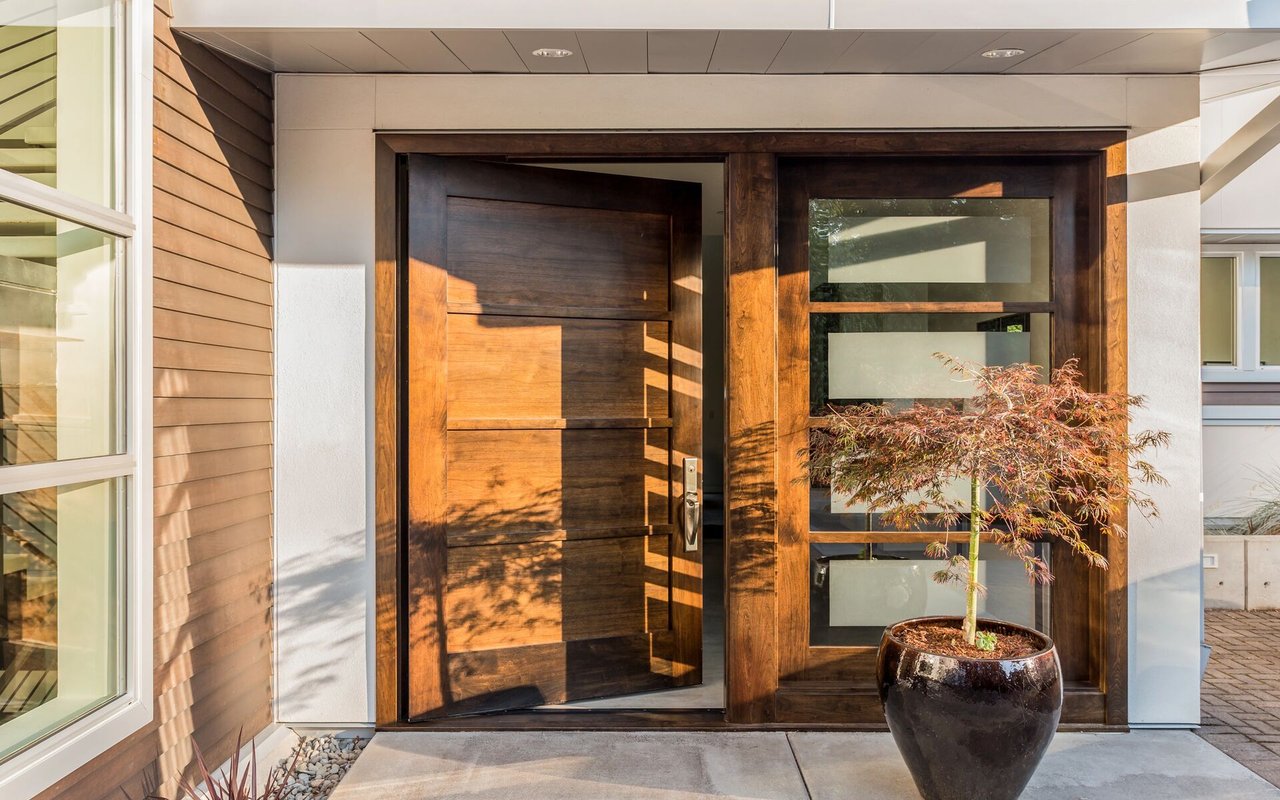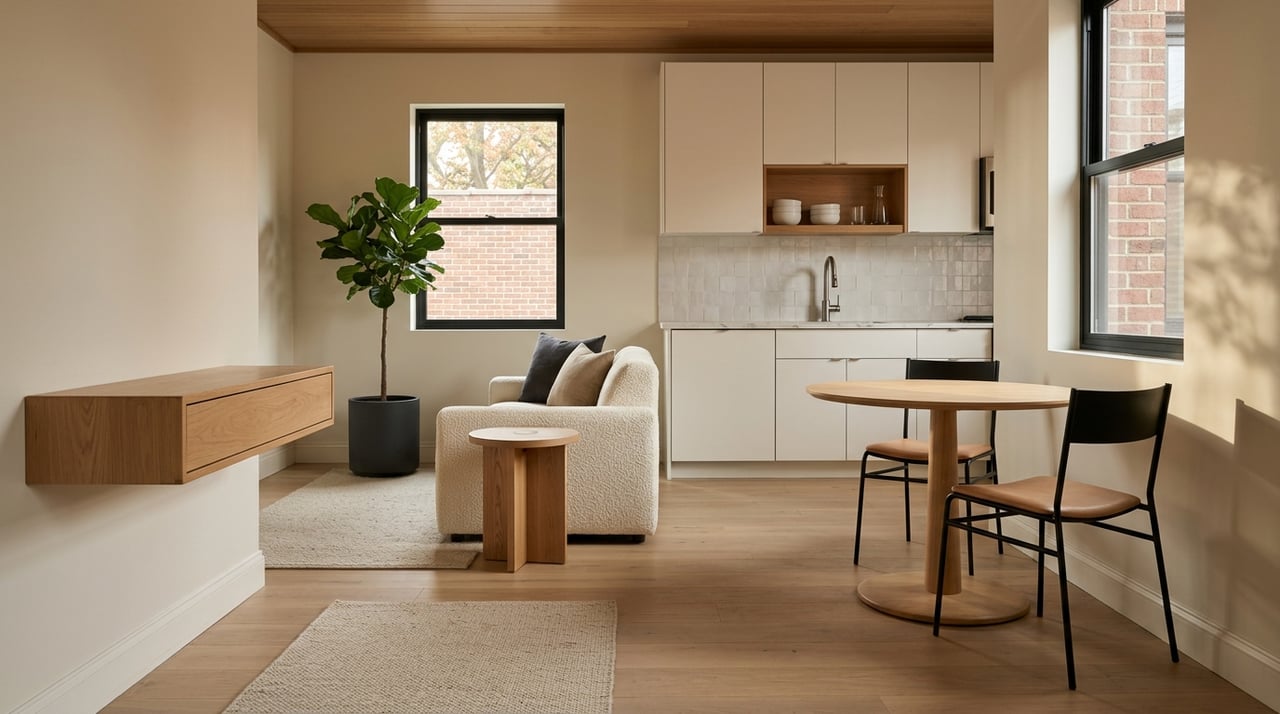
If your downtown Traverse City home feels cozy in daily life, it can feel even smaller in listing photos. In a tight local market, that first impression matters, especially when buyers are comparing compact homes and condos side by side online. The good news is that small-space staging is not about making your home look generic. It is about helping buyers see light, function, and character from the moment they scroll. Let’s dive in.
Why Staging Matters Downtown
Downtown Traverse City is a highly connected area shaped by walkability, bike access, parking availability, and a compact urban layout. That means buyers are often shopping for more than square footage alone. They are also responding to convenience, flow, and how well a home supports downtown living.
That context matters because inventory has been tight. A 2023 city housing summary found only 34 homes listed for purchase and about 1.7 months of supply. In a market like that, thoughtful presentation can help your home stand out and feel move-in ready.
Staging also helps buyers picture themselves in the space. According to the National Association of Realtors 2025 Profile of Home Staging, 83% of agents said staging made it easier for buyers to envision a property as their future home, and 49% saw staging reduce time on market. For small downtown homes, where every room has to work hard, that advantage can be meaningful.
Start With Editing, Not Decorating
The most effective staging move for a small space is usually subtraction. NAR defines staging as cleaning, decluttering, repairing, depersonalizing, and updating the home. That means your goal is not to add more style. It is to remove anything that blocks space, light, or easy movement.
In a compact downtown home, every extra chair, basket, or tabletop accessory can make a room feel tighter. Clear floors, open counters, and cleaner sightlines help buyers understand the layout faster. That same approach also improves photos, where clutter tends to look even heavier on screen.
If you are living in the home while selling, try editing room by room. Keep only what supports the purpose of the room, and pack the rest early. This creates a calmer look now and gives you a head start on your move later.
Focus on the Rooms Buyers Notice First
Not every room needs the same level of effort. NAR found that the living room, primary bedroom, and kitchen are the most important spaces from a buyer’s perspective. In a downtown Traverse City condo or smaller house, those are the rooms that should carry the story.
Your living room should show easy conversation and clear walking paths. Your kitchen should feel functional and open, with minimal counter items and no visual crowding. Your primary bedroom should feel restful, simple, and appropriately scaled to the room.
Secondary spaces still matter, but they should support the overall impression. A small office nook, hallway, or guest room does not need dramatic styling. It just needs to look clean, purposeful, and easy to understand.
Choose Furniture That Fits the Space
Small rooms often look best with less furniture, but that does not always mean tiny furniture. Houzz notes that fewer, larger multifunctional pieces often work better than many small ones. In practice, that can mean one properly scaled sofa, one clean-lined coffee table, and one storage piece instead of several scattered items.
Furniture on legs can also help a room feel lighter. When buyers can see more floor area, the room tends to feel more open. This is especially helpful in downtown homes where living, dining, and work zones may share the same general footprint.
Try to avoid pushing too much furniture against every wall just to create space in the middle. A better approach is to create balance, preserve walkways, and let the room breathe. In listing photos, that restraint often reads as both larger and more polished.
Use Light to Make Rooms Feel Bigger
Light does a lot of work in small homes. NAR recommends letting natural light shine, and that advice is especially important in northern Michigan, where buyers may be paying close attention to brightness and openness. Open blinds, clean windows, and remove anything that blocks daylight from reaching the center of the room.
If a room still feels dim, simple lighting updates can help. Use consistent bulbs, avoid dark lamp shades, and brighten corners that disappear in photos. A well-lit room feels cleaner, larger, and more inviting both online and in person.
Mirrors and reflective surfaces can help too, if used with restraint. The goal is not to create visual noise. It is to bounce light and give the room more depth.
Keep Color and Décor Simple
Neutral finishes tend to help buyers focus on the home itself. NAR recommends neutral wall colors and streamlined décor, which is useful in smaller homes where bold patterns or too many accessories can break up the space. A quieter palette often makes rooms feel more connected.
That does not mean your home should feel flat or sterile. Texture still matters. A simple rug, crisp bedding, or a few natural elements can soften the room without making it busy.
The key is consistency. If every surface has something on it, buyers stop seeing the room and start seeing the stuff. In a downtown listing, visual calm can be a real advantage.
Make Storage Look Generous
Buyers notice storage quickly in a small home. It is not enough for closets and cabinets to exist. They need to look usable and spacious. That means removing overflow items, using simple bins or baskets, and leaving enough open room for shelves and drawers to feel deeper.
Kitchen cabinets, bathroom vanities, and entry storage deserve special attention. If these areas are overfilled, buyers may assume the home does not function well for daily life. If they look organized and easy to maintain, the home feels more practical.
Built-ins can be a strong asset in downtown Traverse City homes, especially in older properties. Style them lightly so they read as architectural features first and storage second.
Highlight Character, Don’t Erase It
Downtown Traverse City includes older housing stock and a preservation-minded historic districts framework. That makes it important to refresh a home without stripping away the details that give it personality. Clean, neutral staging usually works best when it supports the home’s original features instead of hiding them.
Wood floors, trim, built-ins, and older architectural details can add warmth and authenticity. Your staging should make those elements easier to notice. Avoid décor that competes with them or makes the home feel disconnected from its setting.
In other words, buyers should see a polished home that still feels like Traverse City. That sense of place can be especially appealing in a downtown location.
Prep for Photos Like a Buyer Will See Them
Online presentation matters. NAR found that photos were one of the most important features for buyers, and nearly a third of buyers were more willing to walk through a home they saw online. In a compact listing, photos often shape whether buyers feel curious or cramped before they ever schedule a showing.
Before the photo shoot, open blinds, remove refrigerator magnets, simplify surfaces, and take a few practice pictures with your phone. NAR also suggests removing one or two pieces of furniture from each room if needed. That advice can make a major difference in smaller homes where one oversized item may throw off the whole frame.
Just as important, make sure the home buyers tour in person matches the home they saw online. If the photo version looks airy but the showing version feels crowded, trust can drop quickly. Consistency helps your marketing feel honest and well managed.
When Professional Staging Makes Sense
Some homes benefit from outside help. NAR notes that virtual staging can be especially useful for vacant homes or homes that are still occupied, and its 2025 survey reported a median professional staging cost of $1,500 versus $500 when the seller’s agent handled the staging. For downtown condos, loft-like spaces, or awkward room layouts, a professional eye can be a smart investment.
This is often most helpful in three situations:
- Your home is vacant
- The layout looks confusing in photos
- You still live there and cannot fully edit the space on your own
In those cases, staging is less about decoration and more about strategy. The right plan helps buyers understand how the home lives, which is often the biggest hurdle in a smaller floor plan.
Small-Space Staging Checklist
If you want a quick place to start, focus on these basics:
- Remove extra furniture from main living areas
- Clear kitchen and bathroom counters
- Open blinds and maximize natural light
- Use simple, scaled furniture with clear walkways
- Edit closets and cabinets so they look roomy
- Keep décor minimal and cohesive
- Highlight original details instead of covering them up
- Prep carefully for photos and keep showings consistent
Selling a smaller home downtown is not about apologizing for size. It is about presenting a space that feels efficient, bright, and true to its setting. With the right preparation, your home can tell a clear story that resonates with today’s buyers.
If you are getting ready to sell in downtown Traverse City, Nan Ray offers white-glove guidance, elevated listing presentation, and local insight to help your home stand out with confidence.
FAQs
How should you stage a small home in downtown Traverse City?
- Start by decluttering, removing extra furniture, maximizing light, simplifying décor, and focusing your strongest staging efforts on the living room, kitchen, and primary bedroom.
Why does staging matter for small Traverse City listings?
- In a tight market with limited inventory, staging can help buyers picture the home more easily, support stronger online presentation, and reduce the time a home spends on the market.
What rooms matter most when staging a compact downtown home?
- The living room, primary bedroom, and kitchen tend to matter most to buyers, so those spaces should feel open, functional, and photo-ready.
Should you keep historic features visible when staging a downtown Traverse City home?
- Yes. Clean, neutral staging usually works best when it highlights original features like wood floors, trim, and built-ins rather than covering them up.
When should you consider professional staging for a small home?
- Professional or virtual staging can be especially useful if the home is vacant, the layout is hard to understand in photos, or you are still living in the property and need help editing the space.